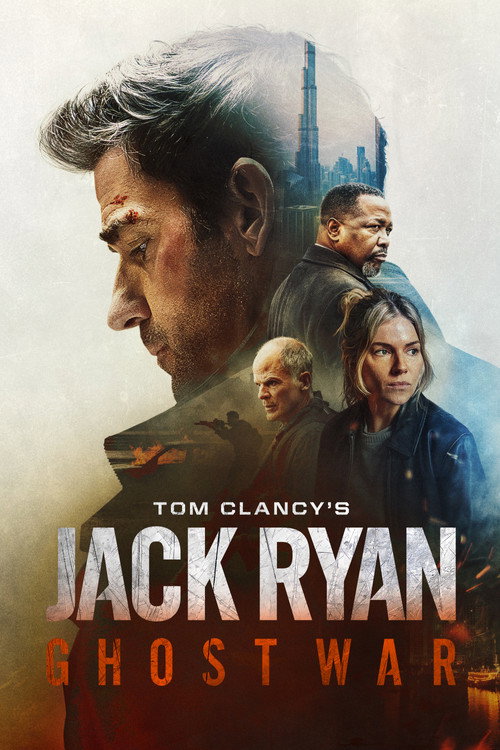
Tom Clancy’s Jack Ryan: Ghost War is a serviceable, if predictable, thriller
Tom Clancy’s Jack Ryan: Ghost War (2026) is a middle-of-the-road action thriller that offers enough kinetic energy for franchise loyalists while struggling to overcome its own reliance on tired espionage tropes. It is worth watching for those who prioritize familiar character dynamics over narrative innovation, though casual viewers may find its reliance on genre cliches frustrating.
A Familiar Tactical Playbook
The film succeeds primarily through the established chemistry between John Krasinski, Wendell Pierce, and Michael Kelly, who slide back into their roles with ease. The pacing remains taut, and the technical execution—bolstered by Ramin Djawadi’s driving score and Arnau Valls Colomer’s crisp cinematography—creates an atmosphere of constant, low-level urgency that suits the high-stakes premise.
However, the script often falls into a trap of self-seriousness that ignores the inherent absurdity of its “ghost” operations. While the mainstream consensus might praise the film for maintaining the tone of the television series, it actually plays too safe, refusing to lean into the chaotic, high-octane potential of the rogue black-ops unit plot. The conflict feels sanitized, lacking the grit necessary to make the personal stakes feel truly dangerous.
The Case for and Against Viewing
This film is a natural fit for fans of the source material who want to see these specific characters navigate one final, desperate mission. If you enjoy the procedural nature of CIA-led operations and appreciate the interplay between Jack Ryan and his MI6 counterpart, Emma Marlowe, you will likely find the 107-minute runtime perfectly manageable and engaging.
Conversely, viewers looking for a fresh take on the political thriller should look elsewhere. The film’s narrative beats are telegraphed early, and the “deadly conspiracy” lacks the complexity required to surprise anyone who has seen a modern espionage story. If you are tired of the “reluctant hero pulled back into the fray” hook, the repetitive nature of this story will likely wear thin within the first act.
The Limitations of the Ghost War
The addition of Sienna Miller as Emma Marlowe provides a necessary shift in perspective, offering a sharper, more tactical foil to Ryan’s more idealistic approach. Her inclusion prevents the film from becoming a strictly internal CIA affair, yet the screenplay fails to give her character enough agency beyond serving as a plot device to link the MI6 and CIA threads. She is an asset that the film underutilizes in favor of focusing on Ryan’s internal fatigue.
Furthermore, the rogue black-ops unit serves as a generic antagonist force that never feels like a genuine threat to the global order. Because the film keeps the scope of the conspiracy so narrow, the “ghost war” feels more like a localized skirmish than a world-ending event. This lack of grand scale makes the high-stakes marketing feel disconnected from the actual onscreen conflict.
Tom Clancy’s Jack Ryan: Ghost War: Ending Explained
(Spoilers ahead) The conclusion of the film delivers as a thematic realization that the “ghost war” is an endless cycle rather than a solvable problem. By dismantling the rogue unit, Ryan does not achieve a permanent peace, but rather accepts that his role as a protector requires constant vigilance against the shadows within his own intelligence community. The ending suggests that while the specific conspiracy is neutralized, the underlying rot of black-ops autonomy remains, leaving Ryan to walk away with the bitter knowledge that no operation truly stays dark forever.