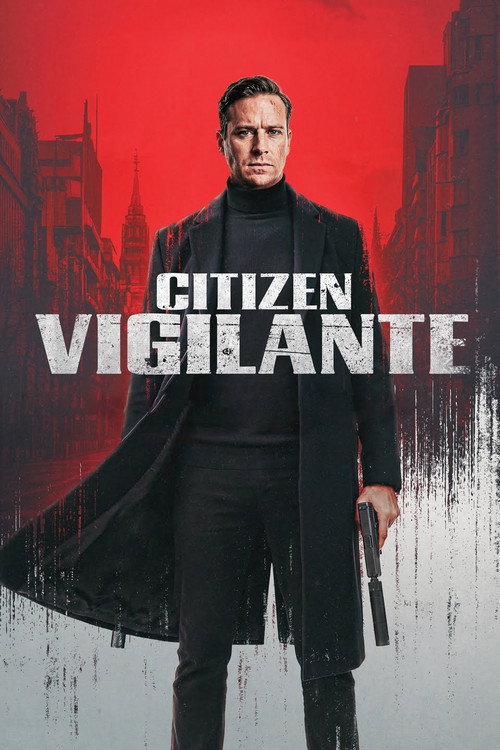
Citizen Vigilante (2026) is a brutal, divisive experiment in genre friction
Citizen Vigilante is a grim, uncompromising action thriller that prioritizes visceral shock over narrative nuance, making it a difficult recommendation for those seeking traditional justice-seeking tropes. While it successfully captures the volatile intersection of digital fame and street-level violence, its NC-17 intensity serves as a barrier that will alienate as many viewers as it fascinates.
A relentless descent into moral ambiguity
The film operates with a cold, detached tone that strips away the heroic gloss usually afforded to vigilante stories. By positioning Sanders as a man whose crusade is fueled by the trauma of a rape victim, the narrative forces an uncomfortable examination of how private vengeance functions in a corrupt system. Mathias Neumann’s cinematography captures the urban decay with a clinical precision that prevents the violence from feeling stylized or celebratory, grounding the action in a palpable, ugly reality.
Where the film stumbles is in its pacing, which feels rushed despite the ninety-minute runtime. The transition from a quiet man seeking retribution to a viral social media sensation happens with such abruptness that the social commentary feels secondary to the graphic content. While mainstream criticism might focus on the film’s extreme nature, I would argue the real shortcoming is the lack of depth given to the Interpol Regional Chief, Henry, whose opposition to Sanders feels more like a bureaucratic formality than a genuine ideological conflict.
Categorizing the target audience
Viewers who appreciate raw, unvarnished explorations of systemic corruption and the failure of law enforcement will find plenty of thematic meat here. The film is tailored for those who prefer their crime thrillers to be confrontational and devoid of moral platitudes, provided they can stomach the explicit nature of the subject matter. It is a stark look at the cyclical nature of violence in a world where digital platforms turn murder into performance art.
Conversely, those looking for a balanced thriller with clear moral stakes or traditional pacing should avoid this title entirely. The NC-17 rating is not just a label but a reflection of the film’s commitment to showing the most harrowing aspects of its premise without flinching. If you are sensitive to depictions of sexual assault or find the glorification of vigilante violence inherently distasteful, there is nothing in this script that will change your mind.
The technical friction of a chaotic crusade
The collaboration between the score and the editing creates a jarring experience that mirrors Sanders’ unraveling mental state. Rodolfo Matulich’s music is sparse and industrial, often cutting out entirely during the most intense confrontations to leave the viewer with nothing but the sound of the environment. This choice is effective, as it denies the audience the comfort of a traditional heroic soundtrack and instead forces us to sit with the silence of the aftermath.
The performances, particularly by Armie Hammer and Costas Mandylor, are restrained to the point of being icy. This works well for the film’s cynical worldview, as it suggests that neither the vigilante nor the lawman possesses a shred of warmth or empathy. However, the supporting roles, such as the Mafia Boss and the SWAT Leader, feel underutilized, appearing more as obstacles for the protagonist to mow down rather than fully realized characters with their own motivations.
Citizen Vigilante: Ending Explained
(Spoilers ahead) The conclusion of the film serves as a bleak commentary on the futility of individual action against institutional rot. By the time Sanders reaches the climax, his status as a social media icon has already rendered his original goal irrelevant; the public is no longer cheering for justice, but for the spectacle of his final stand. The final confrontation with the police forces highlights that in this world, the system does not change—it merely consumes those who try to break it.
Ultimately, the ending suggests that the vigilante is just another cog in the machine of corruption, regardless of his intentions. His death or capture is not a tragedy for the characters involved, but a new content cycle for the digital masses he once sought to inspire. It is a nihilistic resolution that confirms the film’s thesis: when justice is turned into a commodity, it loses its purpose, leaving only the wreckage of those who tried to reclaim it.