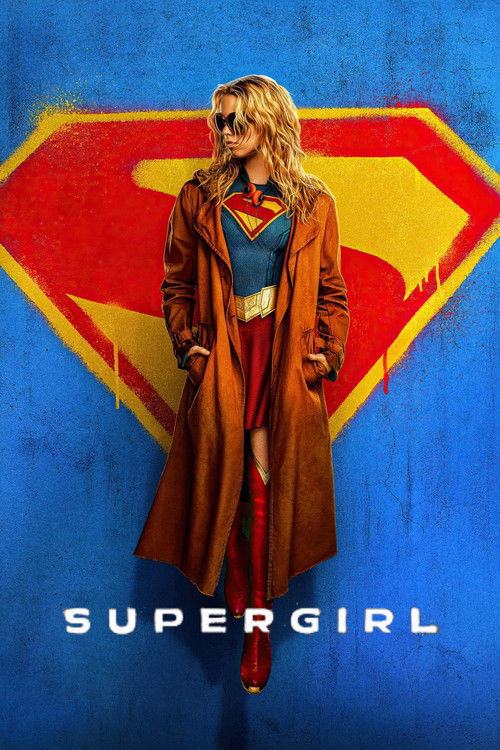
Supergirl (2026) is a jagged, uneven space adventure worth watching for its sharp character dynamics
Supergirl (2026) offers a compelling, grit-infused take on the superhero genre that succeeds primarily through the friction between its leads rather than its standard interstellar stakes. While the narrative occasionally buckles under the weight of its own cynicism, it remains a worthwhile watch for those who prefer their cosmic heroics with a harder edge.
A Mismatched Pair in Deep Space
The core of the film rests on the uneasy alliance between Kara Zor-El and her unlikely companion on this quest for vengeance. Milly Alcock brings a weary, grounded intensity to Kara that separates her from typical archetypes, effectively selling the idea of a heroine pushed past her breaking point by a ruthless adversary. Her chemistry with Eve Ridley’s Ruthye provides the necessary emotional anchor, grounding the expansive, cold reaches of the galaxy in a surprisingly intimate dynamic.
Where the film stumbles is in the pacing of this journey, which feels rushed during the transition between the initial threat and the subsequent space-faring pursuit. The screenplay by Ana Nogueira leans heavily into the “Truth. Justice. Whatever.” ethos, which creates a refreshing tonal shift but occasionally leaves the stakes feeling oddly detached. While the premise suggests a grand quest, the film is at its best when it slows down to focus on the internal cost of justice for a protagonist who has lost everything.
Visual Grit and Kinetic Action
Cinematographer Rob Hardy avoids the sterile, high-gloss aesthetic often found in modern science fiction, opting instead for a tactile, lived-in look that benefits the film’s darker themes. The action sequences are framed with a raw, kinetic energy that emphasizes the physical toll of combat rather than just the spectacle of superpowers. It is a visual approach that feels distinct, helping to elevate the film above the standard visual language of the genre.
However, the antagonist, Krem, played by Matthias Schoenaerts, struggles to leave a lasting impression despite the actor’s best efforts to provide a menacing presence. The villainous motivation is functional rather than layered, serving more as a catalyst for Kara’s movement than as a genuine foil to her morality. Viewers expecting a complex ideological clash will likely find the conflict lacking, though those satisfied with high-stakes physical confrontation will find plenty to enjoy here.
Who Should Seek Out This Heroine
This film is a strong recommendation for fans of character-driven science fiction who prefer their protagonists to be morally compromised or exhausted by their responsibilities. If you enjoy stories where the hero is forced to operate outside of traditional boundaries to achieve a sense of justice, the 108-minute runtime will feel like a brisk, satisfying experience. The inclusion of Jason Momoa as Lobo adds a chaotic, unpredictable element that keeps the second act from becoming too predictable.
Conversely, audiences looking for a traditional, optimistic superhero narrative or a deeply intricate world-building exercise should probably skip this one. The tone is persistently cynical, and the film prioritizes Kara’s personal vendetta over the broader implications of her powers or the wider galaxy. If you require a clear, heroic moral compass to stay invested in a film, the ambiguity of this particular iteration of Kara Zor-El may prove frustrating rather than engaging.
Supergirl: Ending Explained
(Spoilers ahead) The conclusion of the film serves as a definitive rejection of the traditional “hero” label, suggesting that Kara Zor-El’s journey was never about restoration, but about acceptance of a new, harsher reality. By choosing vengeance over the conventional path of justice, the film frames her victory as a hollow, personal triumph rather than a triumphant save of the galaxy. This ending effectively recontextualizes the tagline, proving that for Kara, the truth is simply that she is the only one who can navigate the moral gray areas of space, leaving behind the idealism of her past represented by Zor-El.