I Love Boosters (2026) is a chaotic, ideological heist romp worth watching for fans of surrealist satire
I Love Boosters is a sharp, jagged piece of agitprop comedy that functions best for viewers who prioritize biting social critique over traditional narrative cohesion. It offers a rowdy, fashion-obsessed look at retail crime that will satisfy those looking for an absurdist spin on the heist genre, provided they can stomach its aggressive, anti-establishment tone.
A Stylized Critique of Consumerism
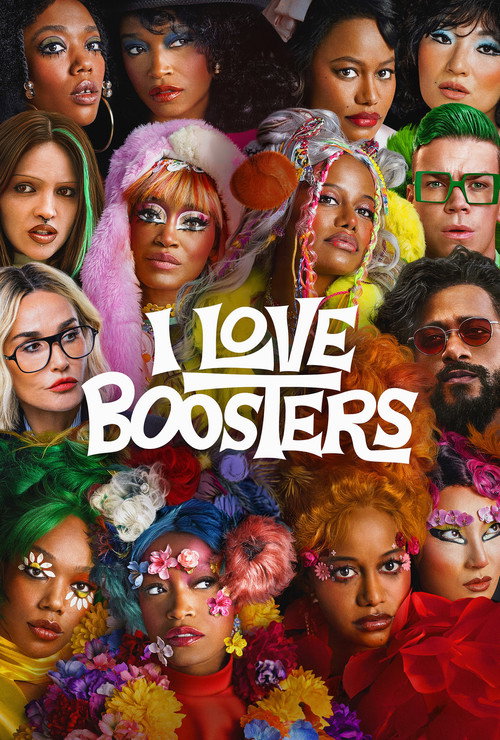
The film succeeds by grounding its surrealist premise in the tactile, high-stakes world of high fashion. Natasha Braier’s cinematography captures the department store environments with a glossy, almost predatory sheen, making the act of shoplifting feel like a tactical insurgency rather than petty theft. The visual language emphasizes the absurdity of the clothing itself, framing these items as both status symbols and weapons in a broader economic war.
Where the film occasionally falters is in its pacing, which struggles to balance the frantic energy of the shoplifting sequences with the more philosophical monologues regarding “fashion-forward philanthropy.” While the ideological commitment is admirable, the dialogue sometimes feels like it is reading from a manifest rather than existing within the scene. This creates a disconnect where the characters occasionally feel like conduits for the director’s politics rather than fully realized individuals navigating the cutthroat retail landscape.
The Performance of Resistance
Keke Palmer, Naomi Ackie, and Taylour Paige anchor the film with a palpable, kinetic chemistry that makes the group’s “community service” feel genuinely dangerous. Their portrayal of the boosters is refreshingly devoid of the usual heist-movie tropes; they are not motivated by personal greed, but by a performative, almost religious zeal for redistribution. Poppy Liu and Eiza González bring a necessary bite to the opposing side, embodying the cold, detached nature of the fashion maven’s empire.
Some viewers might find the film’s moral ambiguity frustrating, as it refuses to frame the shoplifters as traditional heroes. By presenting the theft as a form of social engineering, the film asks the audience to weigh the value of a designer garment against the systemic inequality of the retail industry. It is a bold, divisive choice that avoids the easy catharsis found in standard crime comedies, preferring to leave the audience unsettled rather than satisfied.
Sonic Landscapes and Visual Flair
Merrill Garbus’s score is a jagged, rhythmic companion to the onscreen chaos, utilizing unconventional sounds that mirror the film’s erratic heartbeat. The music does not merely underscore the action; it drives the momentum, turning the act of running through a department store into a frantic, percussive dance. It is a rare instance where the sound design feels as essential as the dialogue in establishing the film’s unique, off-kilter reality.
Despite the technical precision, the sheer density of the film’s themes can make the 113-minute runtime feel bloated. There are moments where the surrealism threatens to swallow the plot entirely, leaving the viewer searching for a narrative anchor amidst the sea of designer labels and revolutionary rhetoric. Those who prefer their comedies tightly plotted may find the sprawl off-putting, while those who enjoy an experimental, sensory-heavy experience will likely find it invigorating.
I Love Boosters: Ending Explained
(Spoilers ahead) The conclusion of I Love Boosters reframes the entire campaign of the boosters not as a victory against the fashion maven, but as a total assimilation into the system they sought to dismantle. By successfully flooding the market with stolen goods at a discount, they inadvertently create a new, parallel economy that ultimately serves the same consumerist impulses they despised. The final imagery suggests that their “philanthropy” was merely a disruption that the fashion industry was capable of absorbing, proving that in a world defined by the fetishization of goods, even the act of stealing becomes just another form of branding.