Marshmallow (2025): A Genre-Bending Summer Camp Experience
Marshmallow is a worthwhile watch for viewers who enjoy the intersection of slasher tropes and speculative science fiction, even if its narrative ambition occasionally outpaces its execution. It succeeds as a moody, atmospheric exercise in dread, making it a solid pick for those who prefer their horror with a side of mystery rather than pure jump scares.
When Campfire Myths Turn Lethal
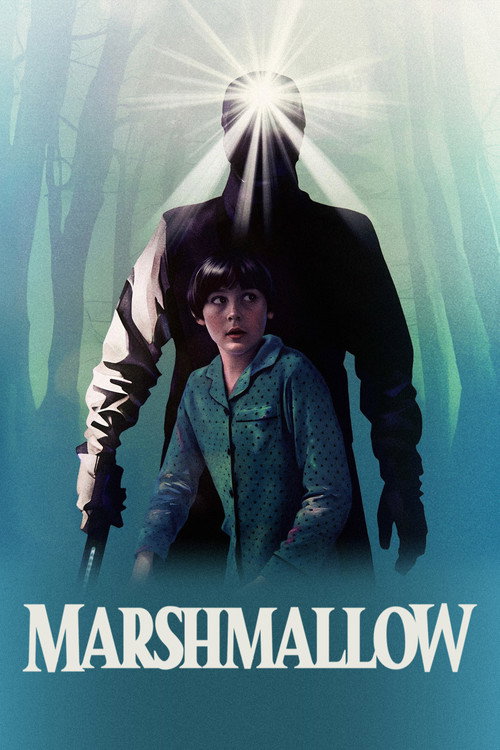
The film centers on Morgan, a timid 12-year-old navigating the social pressures of summer camp, only to find his reality shattered when a local legend manifests as a physical threat. Alongside his peers, Morgan is forced to confront a masked figure whose presence feels less like a traditional slasher villain and more like an encroaching technological or biological anomaly. By grounding the fear in the vulnerability of childhood, the film creates a palpable sense of isolation that elevates the standard camp setting.
While the premise promises a high-concept collision of genres, the film occasionally struggles to balance its sci-fi elements with the slasher pacing. The transition from a grounded coming-of-age story to a surreal nightmare is jarring, though this disorientation feels intentional. Rather than relying on the typical masked killer formula, the script by Andy Greskoviak leans into the unsettling possibility that the camp itself is a laboratory for something far more sinister than a vengeful spirit.
Visual Texture and Sonic Unease
Cinematographer Filip Vandewal does an impressive job of making the summer camp environment feel oppressive rather than idyllic, using shadow and frame composition to suggest that the threat is always present. The visual language favors a cold, clinical look that clashes effectively with the warm, nostalgic aesthetic usually associated with camp settings. This contrast is the film’s strongest asset, constantly reminding the audience that the familiar world is being invaded by an unknown variable.
Nicholas Elert’s score provides a layer of sonic unease that helps bridge the gap between the slasher and sci-fi genres. Some viewers might find the pacing uneven, particularly in the middle act where the exploration of the camp’s secrets slows down the momentum. However, those who appreciate a slow-burn mystery will find the deliberate tempo rewarding, as it allows the ensemble cast, including Corbin Bernsen and Alysia Reiner, to ground the more outlandish plot turns in genuine human anxiety.
Who Should Watch and Who Should Skip
This film is highly recommended for horror fans who are tired of the standard “teens in the woods” narrative and want something that asks deeper questions about the nature of the threat. If you enjoy films that leave the mechanics of the horror ambiguous and prioritize atmosphere over heavy exposition, you will likely find a lot to appreciate here. The coming-of-age perspective provides a unique lens that makes the stakes feel personal rather than just a body count.
Conversely, those looking for a fast-paced slasher with clear-cut rules and high-octane action should look elsewhere. The focus on the “sinister reality” beneath the surface means the film spends more time on world-building than on elaborate chase sequences. If you require a neat, tidy resolution to your horror stories, the ambiguous nature of the final act might leave you feeling frustrated rather than intrigued.
Marshmallow: Ending Explained
(Spoilers ahead) The conclusion of Marshmallow suggests that the campfire legend was never a ghost story at all, but a cover for a reality-bending experiment that the children were always meant to witness. By framing the antagonist as a manifestation of the camp’s hidden science, the film positions the “slasher” as an inevitable outcome of human curiosity and systemic control. The final scenes imply that Morgan’s survival is not a victory over a monster, but an initiation into a larger, more terrifying truth about the world outside the camp gates.
This interpretation shifts the film from a survival story to a dark cautionary tale about the loss of innocence. The “Marshmallow” figure delivers as a metaphor for the way institutional forces consume the youth, turning their fears into data points or test subjects. In the end, the horror isn’t just that the camp was a trap, but that the children are now inextricably linked to the very technology that hunted them, leaving the audience to question what parts of their reality remain authentic.