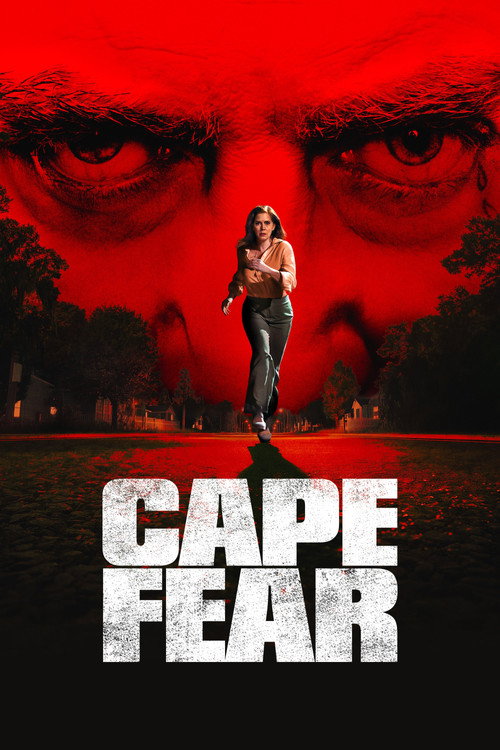
Cape Fear (2026) is a Tense Study in Domestic Erosion
The 2026 adaptation of Cape Fear functions as a sharp, unsettling crime drama that finds its power not in sudden violence, but in the slow, agonizing dismantling of the Bowden family’s psychological stability. It is a worthwhile watch for those who prefer character-driven suspense over traditional stalker tropes, though its deliberate pacing may frustrate viewers looking for a faster resolution.
A Calculated Descent into Paranoia
The strength of this series lies in the way it weaponizes the legal profession of Anna and Tom Bowden against them. By positioning the couple as attorneys, the story transforms their inherent need for control and logic into a liability when faced with the unpredictable, primal presence of Max Cady. Javier Bardem brings a terrifyingly quiet intensity to Cady, suggesting that his true goal is not just physical revenge, but the total exposure of the moral compromises the Bowdens have made in their own lives.
However, the series occasionally falters in its portrayal of the Bowden children, Zack and Natalie. While their roles as troubled teens are meant to reflect the family’s underlying dysfunction, their subplots sometimes feel like an unnecessary distraction from the primary cat-and-mouse game. The show shines brightest when it keeps the focus tight on the suffocating proximity between the predator and his prey, rather than widening the lens to include peripheral family drama.
Who Should Engage and Who Should Look Away
Viewers who appreciate the psychological thriller genre at its most methodical will find a lot to admire here. The score by Jeff Russo is particularly effective, utilizing dissonant, low-frequency soundscapes that mirror the constant, underlying anxiety of the Bowden household. If you enjoy narratives that explore how a single external threat can force a family to confront their own buried secrets, this series is well-suited for your tastes.
Conversely, those seeking a high-octane revenge thriller might find the experience underwhelming. The series prioritizes atmosphere and the slow degradation of the family unit over explosive confrontations. If you are looking for a straightforward thriller where the hero decisively defeats the villain, you will likely find the ambiguous, lingering dread of this adaptation more draining than satisfying.
The Anatomy of a Stalking Narrative
What sets this version apart from mainstream interpretations is its refusal to paint the Bowdens as purely innocent victims. Amy Adams and Patrick Wilson do exceptional work portraying a couple whose professional armor is slowly stripped away, revealing a marriage already fractured by ego and distance. The show posits that Max Cady is merely a catalyst, an agent of chaos who forces the family to recognize the rot that was already present long before his release from prison.
The cinematography reinforces this theme by frequently framing the Bowden home not as a sanctuary, but as a glass cage. Every window and doorway serves as a potential entry point for Cady, creating a visual language of vulnerability. By the time the climax approaches, the audience is forced to wonder if the family’s greatest danger is the man outside or the silence between them inside.
Cape Fear: Ending Explained
(Spoilers ahead) The conclusion of the series suggests that the ultimate victory for someone like Max Cady is not the physical harm of his targets, but the total destruction of their perceived moral superiority. By forcing Anna and Tom to abandon their legal principles to protect their children, Cady successfully mirrors the corruption he was originally imprisoned for. The ending indicates that while the Bowdens may survive the immediate threat, they are permanently altered, left to inhabit a home that no longer feels like a place of safety or truth. Their survival is hollow, proving that the psychological infiltration was the true objective all along.