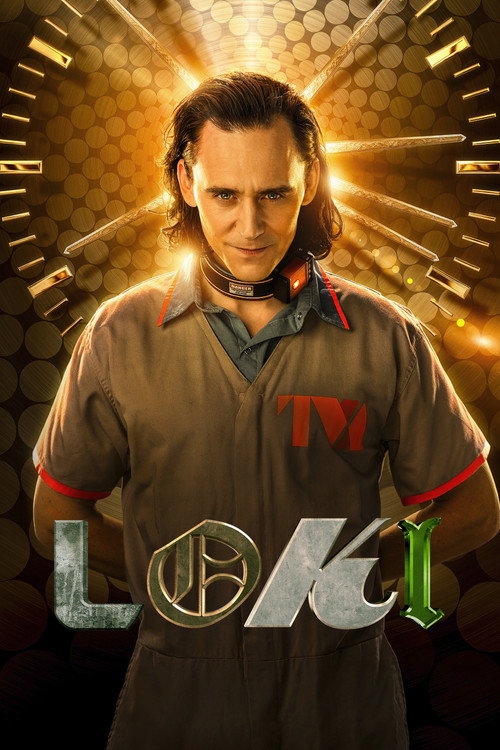
Loki (2021) is an essential expansion of the multiverse narrative
The show Loki takes a more thoughtful perspective on the issue of character identity by moving away from the standard superhero genre tropes and re-establishing itself as a more sophisticated, bureaucratic sci-fi drama. In fact, it manages to develop the title anti-hero by putting him into a harsh and soul-destroying administrative ordeal that would go on to further challenge his own narcissism.
A Bureaucratic Twist on Cosmic Stakes
The series excels when it embraces the everyday aesthetic of the Time Variance Authority, juxtaposing the scale of time travel with the dusty, mid-century office. It’s a unique choice, and it keeps the series grounded as high-concept sci-fi and corporate worlds mix.\nWhile some viewers might find complicated timelines and verbose, exposition-heavy conversations tiresome, the internal logic makes up for it. Natalie Holt’s score is the glue here; it creates an overwhelming, synth score that captures the dread of being an insignificant part of a vast, cosmic machine.
The Power of Character Dynamics
The show runs on the chemistry between Tom Hiddleston and his co-stars. The show places the arrogant god of mischief alongside Sylvie and Ouroboros, and as a result, there is some vulnerability created and it feels earned rather than forced. Meaningful interpersonal conflict is the answer to stripping away the character’s armor.
Some reviewers seem to think the second season pretty much just devolves into spectacle with a lesser narrative. The reviewers seem right. But just because the focus on spectacle doesn’t lose the actors and their performances as the best reason to watch the show. The show is at its best with the quiet, character-driven moments rather than the large chaotic pieces of the multiverse.
Who Should Watch and Who Should Skip
People who like slow-burn character studies and the structural underpinnings of the multiverse will have a lot to keep them busy here. It is rewarding for fans of psychological exploration, as the series places the internal development of the protagonist above all else. On the other hand, viewers who want a typical, fast-moving superhero show are likely to find the show’s strong emphasis on bureaucracy and philosophical discussions tiresome. If you want your science fiction to look at something other than internal conflicts of identity, this series will probably feel excessively dense and overly self-referential.
Loki: Ending Explained
(Spoilers ahead) The series finale transforms Loki from a self-serving trickster into a selfless multiversal anchor. Loki’s complete character shift comes from purposefully choosing to hold the timeline together instead of pursuing power for himself, which ends his repetitive cycle of betrayal. This act transforms the series. This act transforms the series, and Loki’s character arc, from one focused on escaping and eluding destiny to fully embracing and accepting the weighty and arduous responsibility of self-preservation for others.