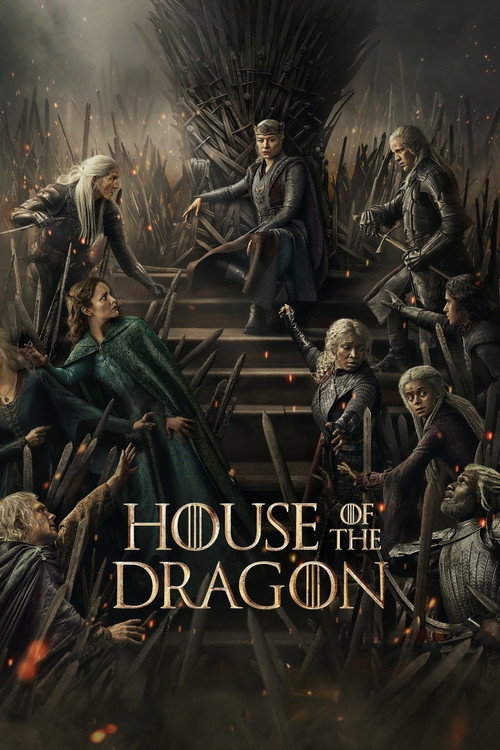
House of the Dragon (2022) is a worthy, somber study of power for patient viewers
House of the Dragon is a compelling, slow-burning political drama that prioritizes the internal rot of a dynastic family over the grand spectacle of its dragons. It is a rewarding experience for those who prefer dialogue-driven tension to constant action, though those seeking a fast-paced adventure may find the heavy atmosphere stifling.
A Shift Toward Intimate Decay
The series succeeds by shrinking the scope of the fantasy genre, focusing intensely on the claustrophobic corridors of the Red Keep rather than the vastness of the kingdom. By centering the narrative on the friction between Rhaenyra Targaryen and Alicent Hightower, the show transforms a standard succession crisis into a deeply personal tragedy. The melancholy tone is sustained by a script that treats the presence of dragons as a burden rather than a mere tool for military dominance.
Where the show occasionally falters is in its pacing, which sometimes mistakes glacial movement for gravity. While the mainstream consensus often lauds the methodical nature of the storytelling, I found that certain character motivations occasionally feel obscured by the show’s relentless commitment to misery. It is a dense, dialogue-heavy experience that demands total attention, occasionally sacrificing momentum to highlight the misery of its leads.
The Weight of Targaryen Ambition
Matt Smith’s portrayal of Daemon Targaryen provides a necessary, unpredictable spark that cuts through the stiff formality of the court. His volatile energy balances the more reserved, calculated performances of Emma D’Arcy and Olivia Cooke, who navigate the shifting political landscape with a quiet, simmering intensity. The dynamic between these characters captures the essence of a dysfunctional family that is fundamentally incapable of sharing power.
The visual depiction of the dragons is technically impressive, yet their true impact lies in what they represent for the Targaryen dynasty. Rather than using these creatures for cheap thrills, the show uses them as symbols of a fading, dangerous legacy that the characters are desperate to control. This thematic choice makes the rare moments of violence carry significant weight, as each conflict feels like a step toward an inevitable, devastating collapse.
Who Should Engage With the Realm
If you appreciate character-focused dramas where the primary conflicts are verbal and psychological, this series will resonate deeply. It is perfectly suited for viewers who enjoy dissecting the nuances of power, betrayal, and the heavy cost of maintaining a crumbling status quo. The intricate web of loyalties and the slow, deliberate unraveling of the Targaryen family make for a rich, albeit demanding, viewing experience.
Conversely, those expecting a high-octane fantasy adventure will likely be disappointed by the lack of frequent, large-scale battles. If you require a story that moves with urgency or relies on constant physical stakes, the somber, brooding pace here might feel like a slog. It is a show built for those who find the collapse of a kingdom more fascinating than the wars fought to save it.