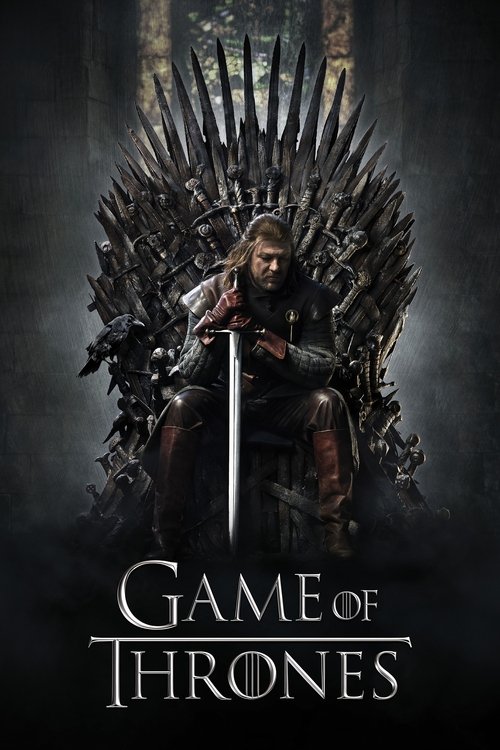
Game of Thrones (2011) is a Brutal, Essential Fantasy Epic
Game of Thrones (2011) is a mandatory viewing experience for those who enjoy high-stakes political drama, provided you have the stomach for its relentless cruelty and complex web of shifting alliances. It succeeds by grounding its sprawling fantasy world in the visceral, often ugly realities of human ambition rather than relying on magical tropes.
A World Built on Political Friction
The strength of this series lies in its refusal to treat the struggle for the Iron Throne as a simple battle between good and evil. By focusing on the seven noble families of Westeros, the narrative transforms the fantasy genre into a grounded study of power, where intellectual maneuvering and tactical betrayal are just as dangerous as any sword fight.
While many viewers focus on the spectacle of dragons, the true brilliance is found in the sharp dialogue between characters like Tyrion Lannister and Cersei Lannister. The show excels at making the bureaucratic and familial conflicts feel as high-stakes as the looming threat in the north. It is a rare series that treats its audience as intelligent enough to track a dozen competing agendas simultaneously.
When the Fantasy Elements Clash
Where the show occasionally falters is in its pacing of the supernatural elements, which sometimes feel like an afterthought compared to the human drama. While Ramin Djawadi’s score does an incredible job of heightening the tension, the transition from grounded political maneuvering to overt fantasy—specifically the icy horrors beyond the wall—can feel jarringly abrupt.
I would argue that the series is actually at its weakest when it leans too heavily into its own mythology rather than the internal strife of the houses. The “ancient evil” premise, while necessary for the broader scope, often lacks the nuance found in the interactions between Jon Snow and the Night’s Watch. The show is most effective when the monsters are the people sitting in the halls of power, not the ones hiding in the shadows.
Who Should Brave the Frozen North
If you appreciate character-driven storytelling that rewards close attention to detail, this series will likely consume your weekends. It is ideal for viewers who prefer their fantasy with a heavy dose of realism and are willing to invest in a slow-burn narrative that prioritizes the consequences of bad decisions over heroic victories.
Conversely, those looking for a traditional, optimistic adventure should look elsewhere, as the show is intentionally designed to punish the righteous and reward the ruthless. If you are sensitive to graphic violence or prefer a story where you can comfortably root for a clear protagonist, the grim, morally grey landscape of Westeros will likely prove too bleak for your tastes.