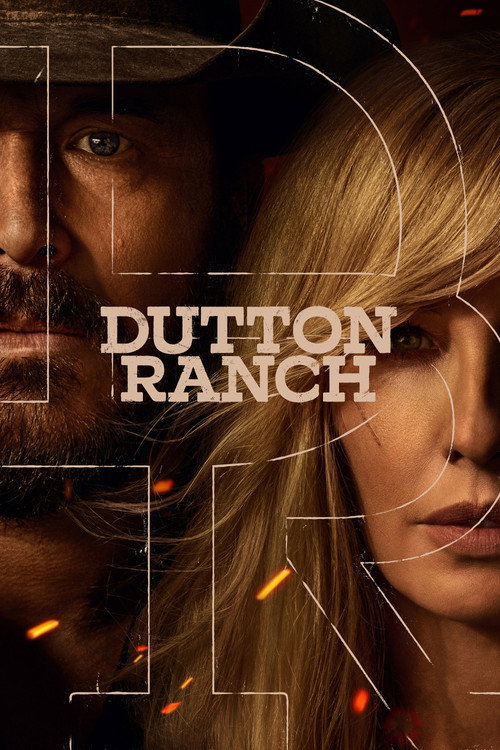
Dutton Ranch (2026) is a Tense Study of Relocation and Resilience
Dutton Ranch is a worthwhile experience for those who prefer character-driven friction over expansive world-building, as it succeeds by narrowing its focus to the volatile chemistry of its leads. While it serves as a spin-off, the series functions best as a standalone drama that trades the familiar mountains of the north for the unforgiving heat of South Texas.
A Shift in Geography and Stakes
The transition to a Texas cattle ranch provides a welcome shift in aesthetic, grounding the drama in a landscape that feels inherently more claustrophobic and hostile. The series effectively uses the environment as an antagonist, where the dry heat and vast, open plains serve to highlight the isolation Beth and Rip feel as they attempt to reinvent themselves.
However, the show occasionally leans too heavily into the visual shorthand of the genre, relying on sunset-drenched horizons to mask some of the slower narrative beats. While the premise of starting over is compelling, the pacing sometimes stalls when the script prioritizes atmosphere over the immediate, tangible threats posed by the local competition.
The Performance Dynamic
Kelly Reilly and Cole Hauser carry the weight of the narrative with a palpable intensity that keeps the stakes feeling personal rather than purely political. Their portrayal of a couple trying to outrun their past is the engine of the series, and their ability to convey exhaustion through subtle glances adds a layer of depth that many similar dramas lack.
Conversely, the inclusion of newer characters like Joaquin and Rob-Will feels uneven, occasionally cluttering the screen time that should be reserved for the core relationship. While Jai Courtney brings a necessary sense of menace to the opposition, his character’s motivations sometimes border on the one-dimensional, lacking the moral ambiguity that makes Beth and Rip so engaging to watch.
Targeting the Right Audience
Viewers who appreciate slow-burn character studies will find plenty to analyze in the way Beth and Rip navigate their new reality. If you are looking for a series that prioritizes emotional volatility and the grit of ranch life over rapid-fire action sequences, this is an ideal choice for your watchlist.
Those who prefer a broader, ensemble-based approach to storytelling may find the restricted scope of this spin-off frustrating. If you require a high-octane plot that moves quickly from conflict to resolution, the deliberate, often brooding nature of this narrative might feel like a slog rather than a compelling drama.
The Reality of the Texas Frontier
The series excels when it focuses on the logistical and social challenges of establishing a new life, especially in how it portrays the clash with a rival ranch. By focusing on the brutal realities of protecting an empire, the show avoids the trap of romanticizing the ranching lifestyle, opting instead to show the toll it takes on the people who choose to live it.
While the threat from the rival ranch provides a necessary narrative spine, the show is at its strongest when it ignores the external pressure and focuses on the internal struggle of Carter and the rest of the group. It is a rare drama that understands that the most dangerous enemy is often the one you carry with you, regardless of how far south you travel.