Amrum is a Precise, Quietly Devastating Portrait of Post-War Survival
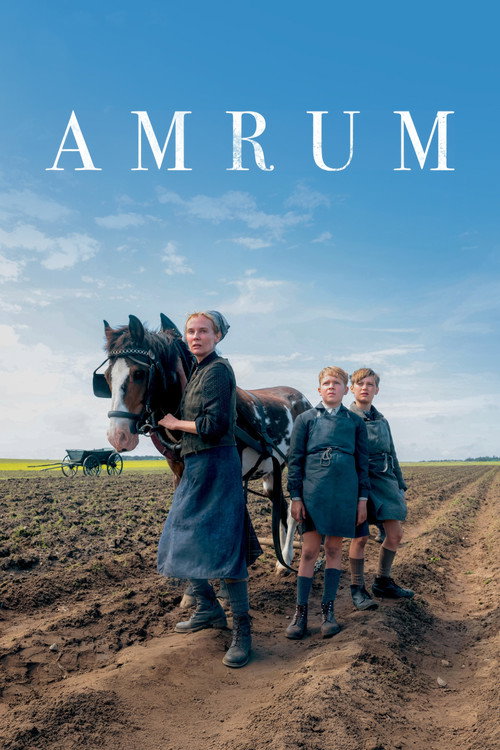
Amrum is a deeply resonant drama that succeeds by eliminating the theatrics and bombast typical of World War II films. This allows the audience to truly understand the survival reality of the inhabitants of the North Sea coast. While the majority of World War II films highlight the front lines, 2025’s Amrum, thrives in the margins, giving a rare insight into the plight of a child in the absence of a collapsed regime.
The Power of Restraint in Visual Storytelling
With vibrant use of color and imagery, cinematographer Karl Walter Lindenlaub captures the island of Amrum as a painter might, using a desolate landscape as an active participant in young Nanning’s emotional growth. Beyond Nanning’s physical labor of sealing hunting and field work, the film represents the family’s desperation to cling to normality in the spring of 1945.
Using Nanning as the narrator and protagonist to represent the psychological wreckage children often inherit is brilliant. As Nanning’s mother, played with fragile depression by Laura Tonke, descends into the depths of depression, the film represents the void and the brokenness of the time, using silence to replace overly dramatic and often corny representation of that time.
Performances That Anchor the Historical Scope
Jasper Billerbeck plays Nanning with an understated performance that provides the film’s coming-of-age story with an emotional center. There is strong supporting work throughout the cast, primarily with Lars Jessen’s Grandpa Arjan, whose stoicism provides a solid foundation to the conflicting tensions of tradition and the uncertain future of post-war Germany. Director Heise’s ability to crafts these quiet, domestic scenes is his strong suit, and shows the various ways that a person’s identity can be constructed in the absence of a formal system of laws. While the length of some of the scenes may test some viewers’ patience, the film makes an important point about the psychological effects of geopolitical isolation and insularity.
A Necessary Study for Patient Viewers
This film is strong in character development and slow in building momentum. However, if one were to stick around and give it some time, they might be rewarded with a low-key, rhythmic drama on grief and coping with the aftermath of a global conflict.
This film, more than anything, deals in gray areas. If you’re looking for something with a straightforward, black and white moral compass and an easy to follow, swift narrative, you’re not going to like this movie. But if you’re okay with some room to think and intellectually engage with a movie, you’ll enjoy this tale of a man, a country, and a clash of duality.