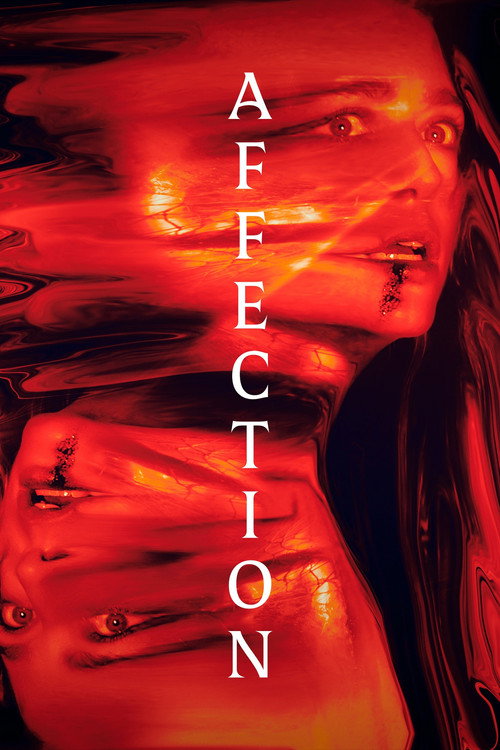
Affection (2026) is a haunting, if uneven, descent into identity horror
“Memory and trauma are what makes Affection special, and they are carried primarily through Jessica Rothe’s lead performance. I think the movie drags in certain places due to other science fiction concepts it tries to interweave with character trauma. But, it maintains some heavy interest from the audience since Rothe’s performance makes up for the lack of stuff that makes a movie ‘complete.””
The weight of a fractured performance
Jessica Rothe packs this 90-minute production with desperate intensity that pull it away from gimmickry. As Ellie Carter, someone re-living the same day, Rothe brings that horror of losing yourself in the process and recognizing yourself. Rothe shows the audience she understands what that feels like. The frame of science fiction can feel distant; however, Rothe funnels her energy into this intimate setting of a failing marriage. The literal restraint of the frame brings with it the audience’s sense of disorientation.
While critics rightly noted that the second half loses the energy the first half had, that energy up until that point was palpable. The cinematography of Jason Hafer shows a chamber of a home that is cold and sterile, creating a language to mirror that erasure of self. To prestige films that traverse these darker depths, it is rare to see a film that digs so introspectively and so deeply in the cinema verité that is this execution.
A genre experiment that pushes boundaries
The combination of technological memory manipulation and body horror is interesting. However, the movie has its challenges. Some people will probably think the shift from the first act’s psychological mystery and the final act’s overt horror is jarring. Some people will think the technology and the body-centered scares never really blend, and maybe the friction between the two is intentional and part of the movie’s rough, yet interesting, impact.
The best part of the movie is probably the score by Daniel Berk. It is able to capture the horror and set a mood without the standard bombast of conventional horror soundtracks. For those who like movie’s that blur the lines a bit and get lost a bit, then this is probably a movie you’d appreciate. It’s quite a unique capturing of horror with its second act, though it’s a bit sluggish, considering the tight first act. It’s definitely worth it if you go in with an open mind.
Affection: Ending Explained
(Spoilers ahead) Affection’s ending shows us the truly horrifying truth- that the husband does not need to manipulate Ellie’s memory to accommodate a medical issue. He does it to control her. By giving her a completely blank slate, he can justify his failure to morally uphold himself when he claims he is giving her the ability to “preserve” herself. The film shows us that it is far more frightening to lose control over one’s memories than to simply have one’s memories lost. The scariest part is the power it gives someone to control your present by manipulating their past.