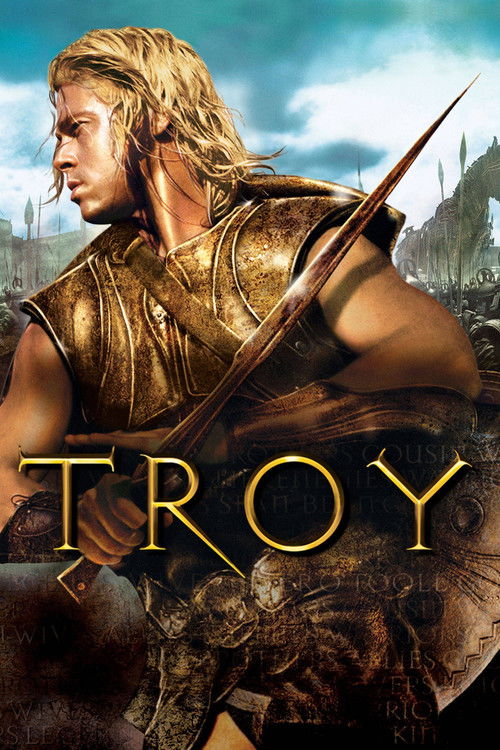
Troy (2004) is a visceral, uneven spectacle best suited for fans of grounded historical combat
This 2004 action-war epic is a worthwhile experience for viewers who prefer tactile, human-scaled duels over the weightless CGI chaos common in modern blockbusters. While it occasionally struggles to balance its grand scale with the intimate motivations of its characters, the film succeeds as a gritty reimagining of ancient mythology.
The Weight of Bronze and Bone
The film excels most when it strips away the divine intervention typically associated with the Trojan War, opting instead for a grounded, physical approach to combat. Roger Pratt’s cinematography captures the brutality of the Bronze Age, emphasizing the heavy thud of shields and the desperation of soldiers fighting in the dirt. These sequences feel dangerous and immediate, grounding the high-stakes political maneuvering in a tangible reality that feels earned.
Where the film falls short is in its pacing, particularly during the transition between the expansive battlefield clashes and the quieter moments of courtly intrigue. While the focus on sibling dynamics between Paris and Hector offers a necessary emotional anchor, the dialogue sometimes leans too heavily into modern sensibilities. This creates a jarring disconnect between the period setting and the contemporary tone of the character interactions.
Achilles and the Cost of Glory
Brad Pitt’s portrayal of Achilles is the film’s most provocative element, as he strips the legendary warrior of traditional heroism. Rather than playing him as a noble savior, Pitt leans into a cold, detached indifference that makes him both fascinating and deeply unlikable. This is a bold choice that effectively separates the character from the typical archetypes found in historical epics, though it may alienate viewers looking for a more sympathetic protagonist.
Those who enjoy character-driven conflict will find much to admire in the tension between Achilles and Eric Bana’s Hector. Bana brings a weary, protective dignity to his role that provides the perfect foil to Pitt’s volatility. If you appreciate films that prioritize the psychological toll of war over mere spectacle, this dynamic is the primary reason to commit to the long runtime.
A Spectacle for the Patient Viewer
This film is a natural fit for audiences who enjoy sweeping historical narratives that favor practical stunt work and intense, one-on-one skirmishes. The presence of Sean Bean as Odysseus adds a layer of seasoned, cynical wisdom that balances the youthful impetuousness of Paris and the blinding rage of Agamemnon. It is a dense, 163-minute commitment that rewards those interested in the political fallout of a single, impulsive act of love.
Conversely, viewers seeking a faithful adaptation of classical mythology or those who dislike slow-burn political dramas should likely skip this. The film deliberately removes the gods from the narrative, which may frustrate those who view the original source material as essential to the story. If you require rapid-fire action and constant narrative momentum, the deliberate, somber pace of this production will likely prove more tedious than engaging.