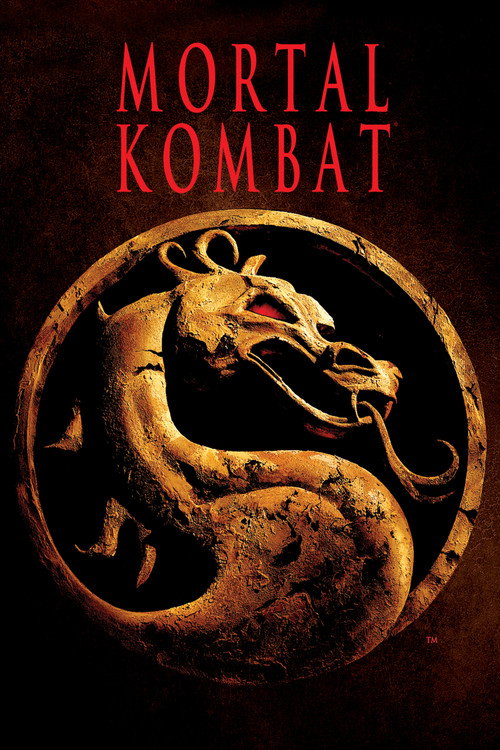
Mortal Kombat (1995) is a Rare Example of Effective Game Adaptation
Mortal Kombat is a worthwhile watch for those who appreciate stylized martial arts choreography and high-concept fantasy, provided they are willing to embrace its unapologetic aesthetic. It succeeds by grounding its bizarre multiverse stakes in a straightforward tournament structure that keeps the action moving at a brisk, purposeful pace.
A Cohesive Visual Identity
The film benefits immensely from a clear visual language that leans heavily into its fantasy roots. Cinematographer John R. Leonetti captures the island setting with a distinct, saturated palette that makes the supernatural elements feel tangible rather than merely digital. This grounded approach to the environment allows the more fantastical character designs to exist without constantly clashing with the physical reality of the fight scenes.
While some might dismiss the production design as dated, it actually serves the narrative by creating a consistent, pulpy atmosphere. The practical lighting choices emphasize the texture of the costumes and the physicality of the performers, which is a welcome departure from the overly polished look of many contemporary action films. It is a rare case where the aesthetic constraints of the mid-nineties actually enhance the world-building rather than hindering it.
Performance as World-Building
The success of the film hinges on Cary-Hiroyuki Tagawa’s portrayal of Shang Tsung, who manages to anchor the high-stakes plot with a performance that is both menacing and campy. By balancing the sorcerer’s thirst for power with a sense of theatrical arrogance, he gives the heroes a tangible reason to fight. Christopher Lambert’s Lord Raiden provides a necessary layer of dry humor that prevents the heavy exposition regarding the multiverse from becoming tedious.
Conversely, the emotional arcs of the three main warriors are the weakest link in the script. While Robin Shou, Linden Ashby, and Bridgette Wilson-Sampras are physically capable of executing the demanding choreography, their internal struggles feel like placeholders for actual character development. The film is clearly more interested in the mechanics of the next confrontation than in the psychological depth of those participating in the tournament.
The Rhythmic Pulse of the Tournament
George S. Clinton’s score is perhaps the most vital element in maintaining the film’s energy, acting as a driving force behind every sequence. The music integrates seamlessly with the martial arts, turning standard combat into a rhythmic spectacle that feels uniquely tied to the source material. It is a bold, aggressive soundscape that demands the audience’s attention and effectively masks the lack of narrative complexity.
This film is highly recommended for movie fans of nineties action cinema who value kinetic movement and thematic commitment over intricate plotting. However, viewers expecting a nuanced exploration of the fantasy genre or deep character studies should look elsewhere. It is a lean, focused experience that knows exactly what it is and refuses to apologize for its singular, combat-driven objective.