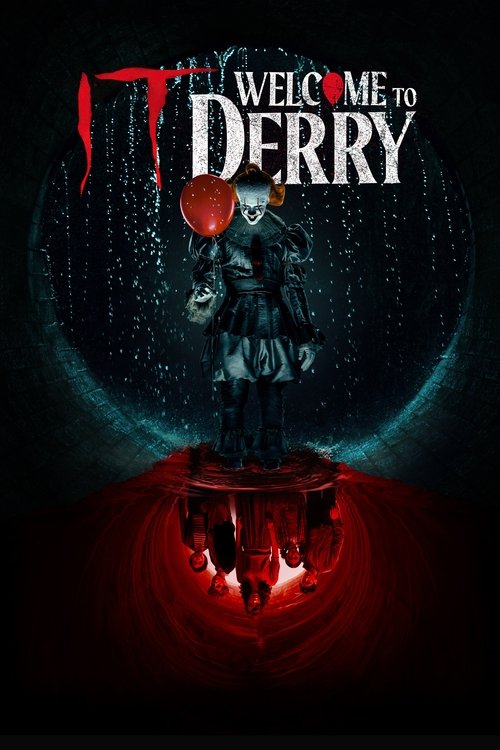
IT: Welcome to Derry (2025) is a Compelling Expansion of Small-Town Dread
IT: Welcome to Derry offers a chilling, atmospheric exploration of the 1962 disappearances that effectively roots its supernatural mystery in the Cold War anxiety of its era. Fans of grounded, character-driven horror will find this prequel a worthy addition to the lore, though those seeking constant jump scares may find its deliberate pace challenging.
The Weight of Historical Paranoia
The series succeeds by tethering its ancient, mythological horror to the very real, sterile threat of a U.S. military operation. By placing the narrative in 1962, the creators utilize the era’s inherent climate of secrecy to explain why the town’s disappearances go largely ignored by the wider world. This choice transforms the familiar haunted house tropes into something more sinister, suggesting that human ambition is just as dangerous as the entity lurking in the shadows.
Where the show occasionally falters is in its attempt to balance the intimate lives of the Misfit group with the sprawling machinations of the military. While the performances by Taylour Paige and Jovan Adepo provide a necessary emotional anchor, the bureaucratic side of the plot sometimes feels like a distraction. It creates a tonal tug-of-war that occasionally pulls the viewer out of the more effective, intimate sequences of isolation and dread.
Character Dynamics and Cast Performance
The chemistry between Matilda Lawler, Amanda Christine, and Clara Stack is the true heart of this drama. Their portrayals of children navigating a world that refuses to believe them capture a specific kind of helplessness that makes the supernatural elements feel earned. Their collective suspicion of the town’s history drives the mystery forward with a genuine sense of urgency that transcends standard horror archetypes.
Viewers who appreciate slow-burn mysteries and character-heavy dramas will find much to admire in these performances. Conversely, audiences looking for a fast-paced creature feature should likely skip this, as the series prioritizes the slow accumulation of psychological tension over the immediate, visceral shocks often associated with the clown-centric lore.
The Sonic Landscape of Derry
Benjamin Wallfisch’s score is instrumental in establishing the show’s suffocating atmosphere, utilizing discordant strings to mirror the town’s fractured reality. The sound design works in tandem with the visual direction to turn Derry itself into a character, one that feels perpetually stagnant and rotting from the inside out. It is a rare example of a prequel that understands the importance of maintaining a consistent, oppressive mood throughout its duration.
This technical precision makes the series a standout for those who value world-building and aesthetic cohesion. If you prefer a more straightforward narrative where the threat is always visible and clearly defined, the abstract, creeping nature of the horror here might feel frustratingly vague. The show demands patience, rewarding those who are willing to sit with the ambiguity of the ancient evil it depicts.
IT: Welcome to Derry: Ending Explained
(Spoilers ahead) The conclusion of the series suggests that the ancient evil in Derry is not merely a monster, but a symbiotic parasite that feeds on the town’s collective denial and military exploitation. By the time the children realize the truth, the military’s attempt to weaponize the entity has only served to anchor it more firmly in the soil of the town. The final revelation implies that the cycle of violence is not just a supernatural curse, but a structural feature of a society that prioritizes control over the safety of its most vulnerable members.
Ultimately, the ending reframes the horror as an inevitable consequence of human complicity. The clown is revealed to be a manifestation of the town’s rot, fueled by the very people who sought to exploit its power for their own gain. It serves as a grim commentary on how silence and institutional greed create the perfect environment for evil to thrive, leaving the characters—and the audience—with the unsettling knowledge that some things cannot be defeated, only survived.