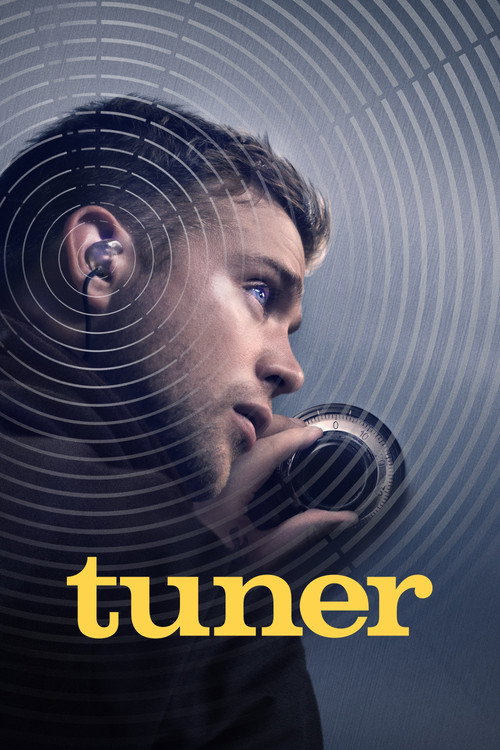
Tuner (2026) is a Precise but Cold Crime Thriller
Tuner is a technically polished crime drama that succeeds as a character study of obsession, though it occasionally sacrifices emotional stakes for the sake of its mechanical plot. It is a worthwhile watch for those who appreciate methodical, high-tension heist films that prioritize the psychology of the thief over mere spectacle.
The Mechanics of a Quiet Heist
The film excels in its depiction of the intersection between musical precision and criminal utility. By framing the protagonist’s ability to tune pianos as a precursor to his talent for cracking safes, the narrative creates a satisfying, tactile rhythm. Lowell A. Meyer’s cinematography emphasizes the claustrophobic intimacy of working on delicate internal mechanisms, whether they are piano strings or vault tumblers.
Where the film falters is in its reliance on the mentor-student dynamic between Niki White and Harry Horowitz. While Dustin Hoffman provides a grounded anchor, the relationship feels somewhat sterile and under-explored given the high stakes of their criminal enterprise. The script treats their partnership more as a functional plot device than a deeply felt human connection, which keeps the audience at a slight emotional distance from Niki’s moral descent.
Performance and Pacing
Leo Woodall delivers a restrained, internal performance that captures the isolation of a child prodigy struggling to find purpose outside of his auditory sensitivity. His chemistry with Havana Rose Liu, who plays Ruthie Waymon, provides the necessary friction to push the plot forward, though their romance often feels secondary to the mechanics of the robberies. The inclusion of headphones as a motif is a clever touch, symbolizing Niki’s desire to tune out a world that is too loud and chaotic.
Despite the strong performances, the pacing in the middle act drags as the film leans heavily into the technical jargon of safe-cracking. Viewers looking for a fast-paced action movie will likely find the methodical, slow-burn approach frustrating. However, those who enjoy watching a character slowly lose their grip on morality through the lens of a specific, obsessive skill will find the slow build rewarding and intellectually engaging.
Who Should Watch Tuner
This film is an ideal selection for fans of cerebral thrillers who enjoy stories about experts in niche fields. If you appreciate films that focus on the “how” of a crime rather than just the “why,” the meticulous attention to detail in the heist sequences will satisfy your expectations. It is a film for the patient viewer who values atmosphere and character development over rapid-fire plot twists.
Conversely, those who prefer high-octane crime dramas with explosive confrontations should look elsewhere. The film’s tone is consistently somber and deliberate, lacking the adrenaline-fueled moments that define mainstream thrillers. If you are seeking a lighthearted or fast-moving caper, the heavy focus on the internal, often lonely life of a piano tuner may feel too somber for your tastes.
Tuner: Ending Explained
(Spoilers ahead) The conclusion of the film suggests that Niki’s hidden talent was never truly about the safes, but about his desperate need to control the frequency of his own life. By the time the final vault is opened, his obsession has effectively isolated him from the human connections he once sought, leaving him with the precision he craves but none of the harmony he initially pursued as a musician.
The ending serves as a bleak commentary on the nature of prodigy, implying that the same focus required to master a craft can become a prison. When Niki finally stops tuning, it is not a moment of liberation but a surrender to the silence he spent the entire film trying to fill. Ultimately, the film posits that when one’s identity is tied entirely to a singular, mechanical skill, the loss of that skill—or the completion of the task—leaves behind a hollow space that no amount of success can fill.