Solo Leveling is a precise, if predictable, power fantasy
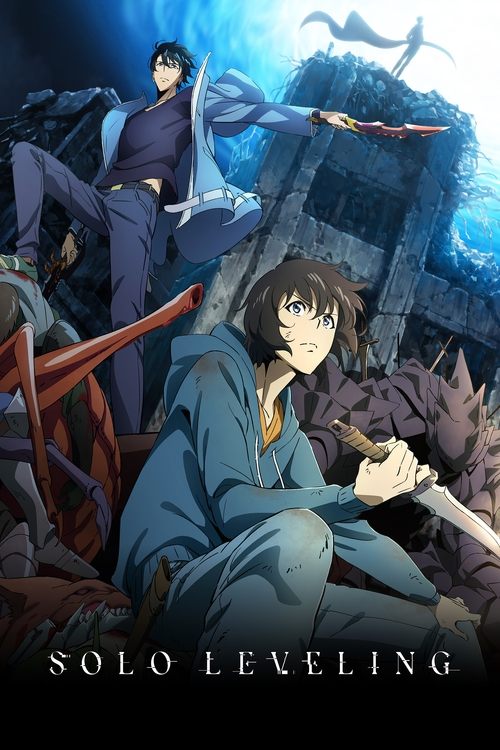
Solo Leveling (2024) is a worthwhile pursuit for viewers who crave the mechanical satisfaction of progression-based storytelling over complex character depth. While it leans heavily on familiar tropes, the series executes its transformation from underdog survival to systematic dominance with enough visual flair to justify its runtime.
The Mechanics of the System
The core appeal of the series lies in the rigid, game-like structure imposed upon Shun Mizushino’s reality. By framing the protagonist’s growth through a visible interface, the show turns standard action beats into a satisfying loop of incremental gains and tangible rewards. This focus on the grind provides a clear sense of momentum that many adventure series lack, making each dungeon crawl feel like a necessary step toward something greater.
However, the reliance on these mechanics occasionally stifles the emotional stakes. Because the world is so defined by its leveling system, the supporting cast often feels like secondary statistics rather than fully realized individuals. While the animation captures the visceral nature of combat, the narrative rarely deviates from its established path, prioritizing the protagonist’s climb over the development of the world around him.
Audio-Visual Impact and Pacing
The contribution of composer Hiroyuki Sawano cannot be overstated in elevating the series’ intensity. His score provides a driving, rhythmic pulse that mirrors the relentless nature of the leveling process, effectively masking some of the slower, exposition-heavy segments. The sound design works in tandem with the sharp visuals to ensure that even the most repetitive combat encounters maintain a high level of tension.
Despite this, the pacing suffers during the transition between major dungeon events. The show occasionally lingers too long on the administrative side of the hunter profession, which can feel like a departure from the high-stakes survival promised by the premise. These lulls are where the show’s rigid adherence to its source material feels most like a limitation, preventing the narrative from breathing outside of its combat sequences.
Target Audience and Final Assessment
Viewers who appreciate structured progression systems, clear power scaling, and high-energy animation will find this series highly engaging. It is a tailor-made experience for fans of fantasy-action who prioritize the thrill of the climb and the spectacle of evolving abilities. If you are seeking deep character studies or subverted tropes, however, this may feel too hollow to hold your interest for long.
Ultimately, the series functions best as a polished exercise in genre-specific satisfaction. It delivers exactly what it promises—a transformation from weakness to strength—without attempting to reinvent the wheel. It is an efficient, well-crafted addition to the fantasy-action landscape for those who enjoy the journey of the underdog.