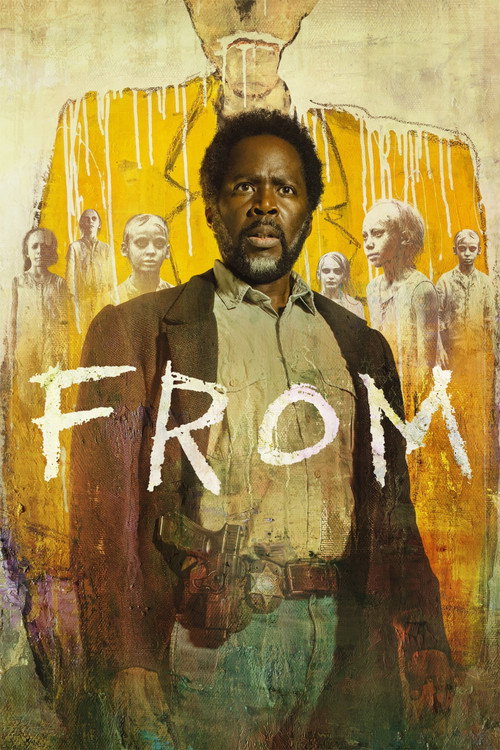
FROM (2022) is a Compelling but Frustrating Puzzle Box
FROM is a gripping exercise in tension that effectively blends folk horror with science fiction, though its refusal to provide quick answers may alienate viewers who prefer tight narrative resolutions. It is a worthwhile watch for those who enjoy slow-burn mysteries where the atmosphere of dread is as important as the plot itself.
A Town Built on Endless Dread
The strength of this series lies in its claustrophobic premise, which traps its characters in a nightmarish middle American town with no escape. By centering the story on the weary Sheriff Boyd Stevens, played with grit by Harold Perrineau, the show manages to ground its supernatural elements in human exhaustion and the desperate struggle to maintain a functional society.
The gore is visceral and serves a clear purpose, emphasizing the lethal nature of the creatures that emerge after dark. While many viewers focus on the Lovecraftian mystery of the forest, the true success of the show is how it depicts the psychological decay of characters like Kenny Liu and Kristi, who have been forced to normalize the impossible.
The Friction of Unanswered Questions
Where the series falters is in its aggressive pacing of mystery over character development. Characters like the cynical Jade often serve as proxies for the audience, constantly questioning the reality of their situation, yet the show frequently introduces new, bizarre phenomena without fully exploring the implications of the ones already established.
I would argue that the show’s reliance on constant, escalating questions is a double-edged sword that eventually risks exhausting the viewer’s patience. While the mainstream take praises this as “layering,” I find it creates a narrative stall where the emotional stakes of the townspeople are occasionally sidelined for the sake of another unexplained symbol or cryptic vision.
Who Should Stay and Who Should Depart
This series is ideal for viewers who appreciate the slow-burn intensity of folk horror and enjoy theorizing about complex, interconnected puzzles. If you are the type of person who meticulously tracks clues in a mystery and finds the process of discovery more rewarding than the final revelation, you will likely find yourself hooked by the show’s dark, surreal tone.
Conversely, those who prefer self-contained stories or demand a clear sense of progression should look elsewhere. If you find yourself frustrated by shows that prioritize atmosphere and ambiguity over concrete storytelling, the cyclical nature of the town’s mysteries will likely feel like an exercise in frustration rather than a compelling drama.
FROM: Ending Explained
(Spoilers ahead) The nature of the town suggests that it is not merely a place of supernatural horror, but a sentient, perhaps even mechanical, cage designed to test the limits of human sanity. The ending and key turns imply that the forest and its inhabitants are a reactive force, shifting their tactics whenever a character like Tabitha Matthews gets too close to the truth.
Ultimately, the town functions as a mirror for the characters’ internal cynicism and trauma. The threat is not just the creatures waiting in the dark, but the realization that the town itself requires the residents to remain trapped, feeding on their hope and their desperate, failed attempts to escape back to the world they once knew.