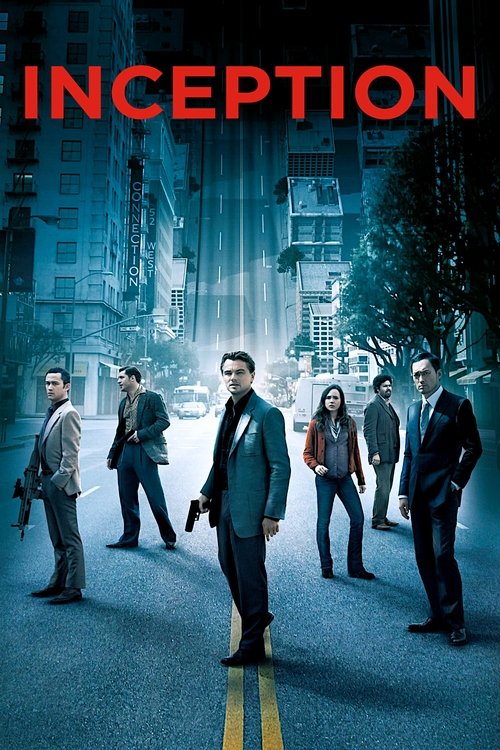
Inception (2010): A High-Stakes Intellectual Heist
Inception is a compelling, if occasionally rigid, science fiction action film that succeeds as a technical puzzle but falters in its emotional grounding. It is worth watching for those who enjoy complex narrative structures, though viewers seeking genuine human stakes behind the spectacle may find the experience cold.
The Architecture of the Dream
The film excels in its mechanical construction of dream layers, using the heist framework to turn abstract psychological concepts into tangible action sequences. Wally Pfister’s cinematography manages to make the shifting, gravity-defying environments feel grounded, providing a necessary visual anchor for a premise that could easily have devolved into incoherent chaos.
However, the script often prioritizes the rules of the mission over the characters themselves. While the concept of planting an idea is fascinating, the dialogue frequently shifts into expository lectures, forcing the cast to explain the mechanics of the subconscious rather than inhabit their roles with naturalistic depth.
A Cast of Strategic Archetypes
The ensemble, led by Leonardo DiCaprio as Dom Cobb, functions effectively as a team of specialists, with Joseph Gordon-Levitt’s Arthur providing a sharp contrast to the more chaotic energy of Tom Hardy’s Eames. The film works best when these characters are interacting within the constraints of their mission, showcasing a professional camaraderie that makes the high-stakes espionage feel earned.
Conversely, the emotional weight intended to drive the story—specifically the lingering presence of Cobb’s past—feels underdeveloped. Elliot Page’s Ariadne serves primarily as a surrogate for the audience to ask questions, which limits her potential as a dynamic participant in the narrative. Those who prefer character-driven dramas should skip this, as the human elements are largely subservient to the heist mechanics.
Sonic and Structural Ambition
Hans Zimmer’s score provides the essential pulse of the film, utilizing a deep, rhythmic tension that elevates the action sequences beyond standard genre fare. This auditory layer is crucial; it masks the moments where the narrative logic begins to fray under the pressure of its own intricate, multi-layered design.
The film is a must for fans of puzzle-box storytelling who appreciate a director’s commitment to a singular, complex vision. If you value world-building and technical precision over character development, this adventure will satisfy; if you require a story that prioritizes emotional resonance, the clinical approach here might leave you feeling detached.
Inception: Ending Explained
(Spoilers ahead) The final shot of the spinning top is often debated as a binary question of reality versus dream, but it functions more as an admission of Cobb’s own resignation. By choosing to walk away from the totem before confirming its state, he signifies that the distinction between his subconscious projections and the waking world has become irrelevant to his peace of mind.
This ending serves as the ultimate manipulation of the viewer, reflecting the very theme of inception: the idea that personal reality is defined by what one chooses to believe. Whether the top falls is less important than the fact that Cobb has finally stopped obsessing over the architecture of his own trauma, effectively completing his own mission to return home.